
What is Shiba Inu (SHIB) Coin Burn?
Understanding the Burn Concept
Shiba Inu (SHIB) is an Ethereum-based ERC-20 token that was launched with an extremely large initial supply. Coin burning refers to the deliberate process of sending SHIB tokens to unusable wallet addresses, permanently removing them from circulation.
These burn actions reduce the available supply over time and are designed to support a healthier token economy by limiting excess circulation while encouraging long-term ecosystem participation.
Although burning does not automatically increase token price, it helps create scarcity when combined with real adoption, utility growth, and community engagement.
SHIB burns are a long-term supply management strategy driven by community participation and ecosystem utility rather than hype alone.
Burn activity can range from small daily burns to large-scale ecosystem-driven burns involving millions or billions of tokens. Over time, these cumulative burns have significantly reduced SHIB’s original supply.
Shiba Inu (SHIB) Burn Timeline
2020 – Token Launch
SHIB was introduced with a massive initial supply, sparking early discussions about long-term supply control and sustainable token economics.
2021 – Historic Burn Event
A significant portion of SHIB tokens was permanently burned, marking one of the largest supply reductions in crypto history and increasing global awareness of SHIB.
2022 – Ecosystem-Based Burns
Burn mechanisms were integrated into decentralized platforms, enabling continuous token reduction through ecosystem activity.
2023–2024 – Community Participation
Community-led burn initiatives expanded through NFTs, gaming platforms, and voluntary holder participation.
2025–2026 – Utility-Driven Burns
Automated burn systems became more common, linking token destruction directly to ecosystem usage and transaction volume.
Key Facts & Highlights
Initial Supply
SHIB began with one of the largest token supplies ever created, making long-term supply reduction a core focus.
Supply Management
Continuous burns aim to gradually reduce circulating supply while supporting ecosystem sustainability.
Burn Sources
Burns occur through community actions, platform integrations, and utility-based transactions.
Market Influence
Burn announcements can influence sentiment, but long-term value depends on real-world adoption.
Shiba Inu Technology
Built on Ethereum using ERC-20 standards with ecosystem platforms supporting trading, staking, NFTs, and decentralized applications.

SHIB Token

ShibaSwap Platform

ERC-20 Standard
Burn Addresses
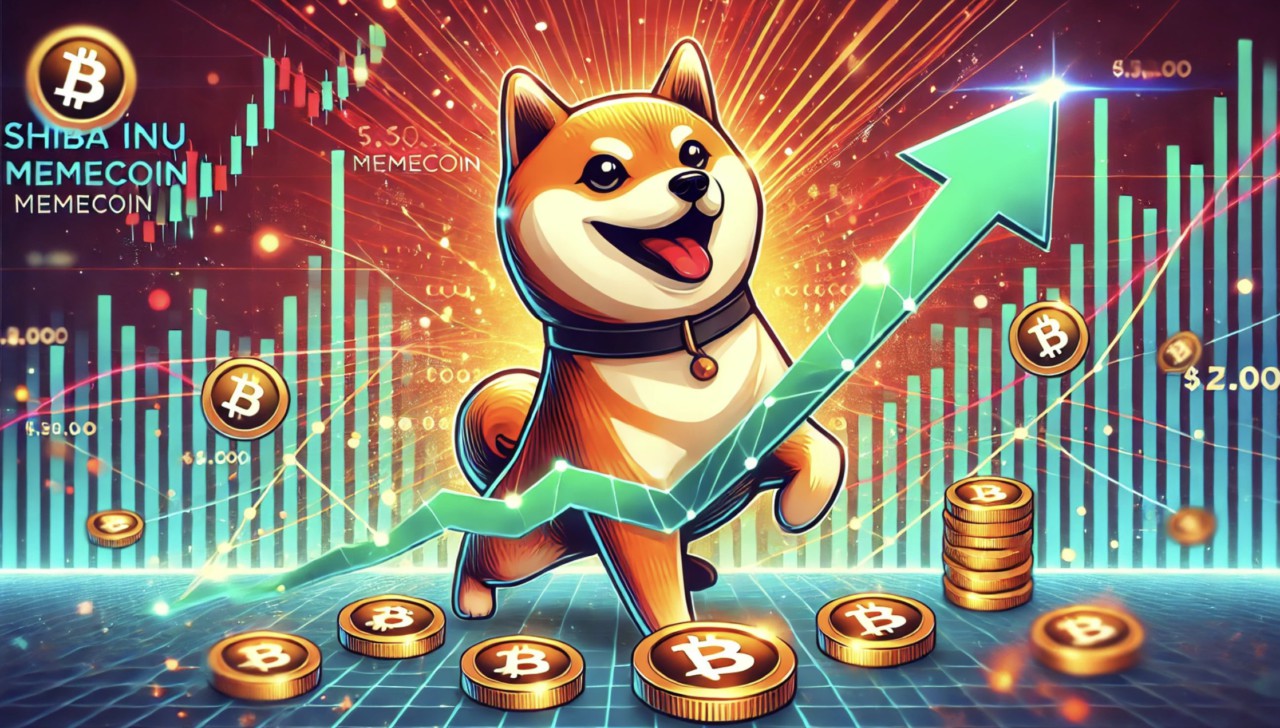
Tokenomics Strategy

Open Source Ecosystem
The ecosystem continues to expand with layer-2 scaling through Shibarium, enabling faster transactions and lower fees, which indirectly supports future burn integration possibilities.
Shiba Inu (SHIB) Future Plan
From Meme to Utility Ecosystem
Shiba Inu’s future strategy focuses on evolving beyond its meme origins into a utility-driven blockchain ecosystem supported by decentralized applications and scalable infrastructure.
Core Development Priorities
- Shibarium Growth: Improving transaction speed and lowering fees.
- Utility-Based Burns: Linking token burns to real usage.
- Gaming & Metaverse: Expanding immersive digital experiences.
- DeFi Tools: Enhancing staking and liquidity participation.
- NFT Integration: Utility-focused digital ownership.
Long-Term Vision
The SHIB roadmap prioritizes sustainable adoption, community governance, and responsible token economics rather than short-term speculation.
SHIB’s long-term success depends on real utility, community strength, and smart supply management.
Detailed Information
How SHIB Burn Mechanism Functions
SHIB token burning is carried out by transferring tokens to blockchain addresses that do not have private keys. Once tokens reach these addresses, they become permanently inaccessible, ensuring that the removed supply can never re-enter the market.
This irreversible process helps control excess circulation and supports long-term supply balance within the Shiba Inu ecosystem.
Role of Community and Ecosystem
- Community Participation: SHIB holders may voluntarily burn tokens to support ecosystem health.
- Ecosystem Utilities: Platforms allocate a portion of fees or revenue toward automatic burns.
- Strategic Burns: Occasionally, large-scale burns are executed to support long-term supply goals.
Effect on Market Behavior and Price
- Supply Control: Gradual reduction in supply may help stabilize the token economy.
- Market Psychology: Burn announcements often improve community confidence.
- Reality Check: Utility, adoption, and demand remain the primary value drivers.
Sustainable SHIB growth relies on real-world utility supported by disciplined supply management rather than burn hype alone.
Long-Term Outlook
Future SHIB development depends on ecosystem expansion, decentralized applications, NFT integration, gaming adoption, and the continued evolution of Shibarium as a scalable layer-2 solution.
As the crypto industry matures, SHIB aims to strengthen its position as a functional ecosystem asset backed by community governance and decentralized innovation.
SHIB Burn Impact on Future Adoption
Why Burn Strategy Supports Ecosystem Growth
Token burns influence both economic balance and investor perception. As circulating supply decreases over time, the ecosystem benefits from improved scarcity awareness and stronger long-term holding behavior.
Burns alone do not drive value, but when combined with ecosystem expansion, partnerships, and decentralized applications, they help reduce long-term supply pressure.
Moving Beyond Meme Identity
While SHIB initially gained popularity through meme culture, the ecosystem is steadily transitioning toward real blockchain utility. This shift focuses on functionality, scalability, and sustainable adoption.
- Shibarium Layer-2: Improves transaction efficiency and lowers network costs.
- Gaming and NFT Utility: Expands SHIB use beyond simple trading.
- DeFi Ecosystem: Enables staking, liquidity provision, and yield participation.
Sustainability and Future Growth
SHIB’s future adoption depends on consistent innovation, ecosystem development, and responsible token economics. Burn mechanisms act as a supportive tool within a broader long-term growth strategy.
Long-term SHIB adoption is driven by ecosystem utility, community engagement, and balanced supply control working together.
Need Assistance or Want to Connect With Us?
Looking for insights on cryptocurrency trends, digital solutions, or professional website development? Reach out to our team and start building your next project today.
Frequently Asked Questions
What is meant by SHIB coin burn?
SHIB coin burn refers to permanently removing tokens from circulation by sending them to inaccessible blockchain addresses.
Does burning SHIB guarantee price growth?
No, burns alone do not guarantee price increases. Market demand, ecosystem utility, and adoption play a larger role.
Who is responsible for SHIB burns?
SHIB burns occur through community participation, ecosystem platforms, and automated utility-based mechanisms.
Are burned SHIB tokens recoverable?
No, once tokens are burned, they are permanently removed and cannot be recovered.
How can users support burn activity?
Users can participate by voluntarily burning tokens or using ecosystem services that contribute to automatic burns.
Is token burning risk-free for investors?
Burning helps manage supply but does not eliminate market volatility or investment risk.